Free expert resources to help you choose, use, and maintain your test and measurement instruments. Written by engineers, for engineers.
Detailed comparison guides to help you make the right purchasing decision.
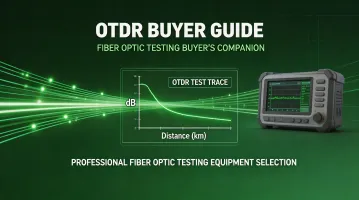
Dynamic range, dead zones, wavelengths, and event detection — everything you need to evaluate before purchasing an OTDR.
Download PDF
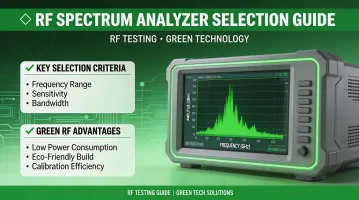
From phase noise to sweep speed — key specifications decoded for RF engineers and telecom technicians.
Download PDF
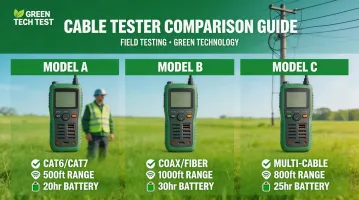
Side-by-side comparison of field testers for VSWR, DTF, PIM, and fiber measurements across leading brands.
Download PDFStep-by-step walkthroughs from our measurement engineers.
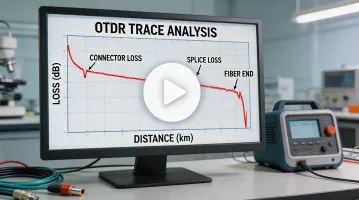
Learn to identify events, measure splice loss, and locate faults on OTDR traces.
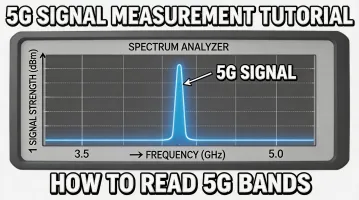
Configure channel power, ACLR, and OBW measurements for sub-6 GHz and mmWave bands.
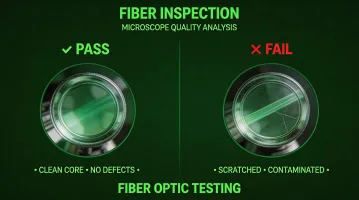
How to properly inspect and clean fiber connectors to IEC 61300-3-35 standards.
Not sure which instrument fits your application? Answer a few questions about your measurement needs and we'll recommend the best options from our catalog.
Choosing an OTDR involves balancing dynamic range, dead zone performance, and portability. The table below summarizes how these specifications interact — no single instrument excels on every axis.
| Specification | Entry-Level OTDR | Mid-Range OTDR | High-Performance OTDR |
|---|---|---|---|
| Dynamic Range | 24–30 dB | 32–38 dB | 40–50 dB |
| Event Dead Zone | 1.5–3 m | 0.8–1.5 m | 0.5–0.8 m |
| Max Test Distance | 80 km | 160 km | 240+ km |
| Wavelengths | 1310/1550 nm | 1310/1550/1625 nm | 1310/1550/1625 nm + CWDM |
| Typical Use Case | Access networks, FTTx drops (< 20 km) | Metro rings, campus backbones (20–80 km) | Long-haul, submarine, DWDM systems (> 80 km) |
| Weight | 0.6–1.2 kg | 1.5–3 kg | 4–8 kg (bench-top modules) |
| Price Range (Approx.) | $3,000–$8,000 | $10,000–$25,000 | $30,000–$80,000+ |
Trade-off note: Higher dynamic range requires longer pulse widths, which increase dead zones. For short-span testing in dense data centers (patch panels < 5 m apart), an entry-level OTDR with shorter dead zones often outperforms a high-end unit. Always match the OTDR class to your actual link lengths and splice density.
Measurement techniques for specific testing scenarios in telecom, manufacturing, and R&D.
Browse NotesComplete specifications, measurement capabilities, and ordering information for all instruments.
View DatasheetsDetailed operating instructions, measurement setup procedures, and maintenance guidelines.
Download ManualsDownload calibration certificates and measurement uncertainty reports for your instruments.
Access Certs